
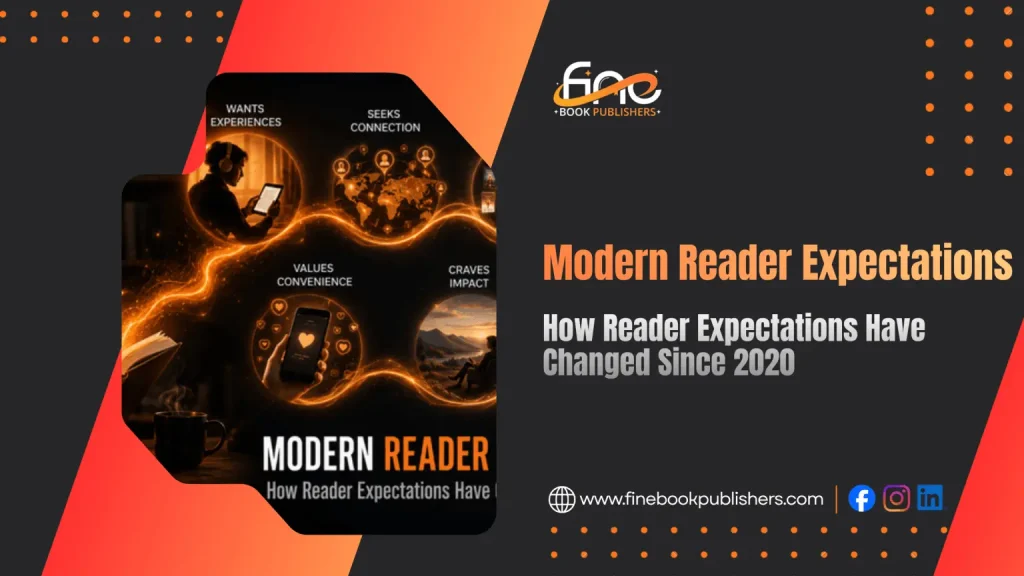
A Comprehensive Guide to Understanding Modern Reader Expectations
Introduction: The way people read, discover, and evaluate books has changed dramatically over the past few years. Reader expectations today extend far beyond compelling storytelling. Modern readers expect high-quality editing, professional cover design, authentic author branding, diverse formats, and a seamless buying experience. The COVID-19 pandemic accelerated digital reading and audiobook adoption while social media transformed how books are recommended and discussed. For aspiring authors, understanding these evolving reader expectations is essential to publishing a book that resonates with today’s audience and succeeds in an increasingly competitive marketplace.
Why Reader Expectations Have Shifted
Every generation of readers develops new preferences, but the changes since 2020 have been unusually rapid. Pandemic-driven lifestyle changes, increased digital media consumption, and the growth of online reading communities have reshaped how books are discovered and consumed.
Research from the Pew Research Center shows that while print books remain the most popular format in the United States, eBook and audiobook usage has steadily increased over the past decade. These long-term changes have encouraged authors and publishers to think beyond traditional publishing models.
Rather than simply asking whether a book has an interesting story, readers now consider:
- Is it professionally edited?
- Does the cover look credible?
- Is it available in multiple formats?
- Can they learn about the author online?
- Are reviews trustworthy?
- Does the book deliver value quickly?
These evolving reader expectations influence purchasing decisions before readers even begin the first chapter.
Publishing Trends That Have Reshaped Reader Expectations
1. Digital Discovery Has Become the Starting Point
One of the biggest publishing trends is that readers increasingly discover books online rather than browsing physical bookstores.
Book recommendations now come from:
- BookTok
- Bookstagram
- Goodreads
- Amazon recommendations
- Author newsletters
- Podcasts
- YouTube book reviewers
This means authors are no longer competing only on bookstore shelves—they’re competing for attention across multiple digital platforms.
As a result, readers often form opinions about a book before reading its sample pages.
2. Professional Presentation Matters More Than Ever
Today’s reader expectations include polished presentation from the very beginning.
Readers often judge a book by:
- Cover design
- Interior formatting
- Product description
- Author biography
- Editorial quality
A professionally presented book communicates credibility and increases buyer confidence.
For first-time self-published authors, investing in professional editing and design is no longer optional if they want to compete with traditionally published titles.
3. Readers Expect Multiple Reading Formats
Modern readers consume books differently than they did a decade ago.
According to Pew Research Center, print remains dominant, but eBooks and audiobooks continue growing in popularity among American adults.
Some readers enjoy printed books at home.
Others prefer:
- Kindle while traveling
- Audiobooks during commutes
- Smartphones for quick reading sessions
Successful authors recognize these diverse book consumption habits by making their work available across multiple formats whenever possible.
Modern Readers Value Convenience
Convenience influences purchasing decisions more than many authors realize.
Today’s readers expect:
- Instant downloads
- Fast delivery
- Mobile-friendly reading
- Easy navigation
- High-quality formatting
- Consistent typography
Even a strong manuscript can receive negative reviews if formatting problems interrupt the reading experience.
This shift reflects broader publishing trends, where user experience matters almost as much as the content itself.
Reader Expectations Now Include Authentic Authors
Publishing has become more personal.
Many readers enjoy connecting with authors before purchasing a book.
They often visit:
- Author websites
- Email newsletters
Instead of seeing authors as distant figures, modern readers appreciate authenticity, transparency, and expertise.
For nonfiction writers especially, demonstrating experience builds trust before readers invest in the book.
This aligns closely with Google’s E.E.A.T. principles, which emphasize Experience, Expertise, Authoritativeness, and Trustworthiness.
Faster Value Delivery Is Becoming Essential
Attention spans compete against endless digital distractions.
Readers expect books to provide value earlier than ever.
For nonfiction books, this means:
- Clear introductions
- Actionable advice
- Organized chapters
- Practical examples
For fiction, readers often expect the central conflict or compelling hook to appear much sooner than in older storytelling styles.
While every genre has different pacing, the overall trend is clear: today’s reader expectations favor momentum over lengthy setup.
Book Consumption Habits Continue to Evolve
Another major shift involves how people fit reading into their daily lives.
Instead of reserving long uninterrupted reading sessions, many readers now consume books in shorter intervals throughout the day.
Audiobooks have become especially popular because they allow readers to enjoy books while:
- Driving
- Exercising
- Cooking
- Walking
- Commuting
This flexibility has changed expectations around accessibility and convenience.
Authors who publish both print and audio editions can reach wider audiences while adapting to changing book consumption habits.
Quality Editing Has Become a Competitive Advantage
Readers have access to millions of books.
Poor grammar, inconsistent formatting, and structural issues quickly reduce credibility.
Professional editing helps ensure:
- Clear communication
- Better readability
- Consistent tone
- Improved pacing
- Stronger storytelling
Meeting modern reader expectations often begins long before publication—with careful manuscript preparation.
Why Reviews and Social Proof Matter More Than Ever
One of the most significant changes in reader expectations is the importance of social proof. Before making a purchase, many readers look for reassurance that a book delivers on its promise.
Readers commonly evaluate:
- Amazon reviews
- Goodreads ratings
- Editorial reviews
- Book blogger recommendations
- BookTok and Bookstagram mentions
- Testimonials from other readers
Positive reviews create trust, while authentic reader feedback helps potential buyers determine whether a book matches their interests.
For first-time authors, encouraging honest reviews from early readers can significantly improve credibility and visibility.
Diversity and Authentic Representation Have Become Key Reader Expectations
Another notable shift in reader expectations is the desire for authentic, inclusive storytelling.
Readers increasingly seek books that feature:
- Diverse characters
- Authentic cultural perspectives
- Inclusive language
- Well-researched historical and social contexts
- Genuine representation rather than stereotypes
Whether writing fiction or nonfiction, authors who approach different perspectives with care and accuracy are more likely to earn readers’ trust.
Authenticity matters because modern readers have access to a wide range of voices and are more likely to recognize superficial or inaccurate portrayals.
Transparency Builds Reader Trust
Trust has become one of the most valuable assets for authors.
Modern readers appreciate transparency throughout the publishing process. This includes:
- Honest book descriptions
- Accurate genre categorization
- Realistic marketing claims
- Professional author biographies
- Clear communication with readers
Overpromising or misleading readers often leads to disappointing reviews and reduced long-term credibility.
Meeting today’s reader expectations means ensuring that every aspect of a book accurately reflects the experience readers will receive.
How First-Time Authors Can Meet Modern Reader Expectations
For aspiring authors, understanding these evolving expectations is only the first step. The next challenge is applying them effectively throughout the publishing journey.
Here are practical strategies to meet today’s reader expectations.
Invest in Professional Editing
A professionally edited manuscript improves clarity, consistency, grammar, and overall readability. Readers notice quality, even if they don’t consciously identify every editorial improvement.
Editing also helps eliminate distractions that can prevent readers from fully engaging with your story or message.
Design a High-Quality Book Cover
Your cover is often your first marketing tool.
Professional cover design should:
- Match your genre
- Appeal to your target audience
- Look polished in both print and digital formats
- Remain recognizable as a thumbnail
A compelling cover encourages readers to click, explore, and ultimately purchase your book.
Publish in Multiple Formats
Changing book consumption habits mean readers appreciate flexibility.
Whenever possible, consider offering:
- Paperback
- Hardcover
- eBook
- Audiobook
Expanding your format options allows you to reach readers with different preferences while increasing your book’s overall accessibility.
Build Your Author Platform
Readers increasingly want to know the person behind the book.
An author platform may include:
- A professional website
- Email newsletter
- Social media profiles
- Blog articles
- Speaking engagements
- Podcasts or interviews
Sharing valuable content consistently helps establish credibility and encourages long-term reader relationships.
Focus on Reader Experience
Every interaction contributes to the overall reading experience.
Consider:
- Easy-to-read formatting
- Clear chapter organization
- Helpful table of contents
- Accurate metadata
- Professional product descriptions
Small improvements can significantly increase reader satisfaction.
Publishing Trends Authors Should Watch
The publishing industry continues to evolve. While no one can predict every future development, several publishing trends are likely to remain influential.
Artificial Intelligence as a Writing Assistant
AI tools are becoming more common for brainstorming, outlining, and editing. However, readers still value originality, authenticity, and unique human perspectives. Authors who use AI responsibly while maintaining their own voice are likely to earn greater trust.
Continued Growth of Audiobooks
The audiobook market continues to expand as more readers incorporate listening into their daily routines. Authors who invest in professional audiobook production can reach an increasingly diverse audience.
Community-Driven Book Discovery
Online communities continue shaping purchasing decisions. Recommendations from trusted creators, reviewers, and fellow readers often carry more influence than traditional advertising.
Personalized Reader Experiences
Readers increasingly expect personalized recommendations based on previous purchases and interests. Authors who understand their target audience and communicate consistently are better positioned to build loyal readerships.
Common Mistakes That No Longer Meet Reader Expectations
Many first-time authors unintentionally overlook factors that modern readers consider essential.
Common mistakes include:
- Publishing without professional editing
- Using low-quality cover designs
- Ignoring formatting standards
- Writing misleading book descriptions
- Neglecting author branding
- Publishing in only one format without considering audience preferences
Avoiding these mistakes helps establish credibility from the beginning.
Why Understanding Reader Expectations Matters
Publishing a book is no longer simply about making your manuscript available for sale.
Success increasingly depends on delivering a complete reading experience that aligns with modern reader expectations.
Authors who understand changing publishing trends, recognize evolving book consumption habits, and adapt to the needs of modern readers are better positioned to build loyal audiences and achieve long-term success.
Whether you’re publishing fiction, nonfiction, memoirs, or poetry, putting readers first improves both satisfaction and discoverability.
FAQs
Q1. How have reader expectations changed since 2020?
Reader expectations have shifted toward higher production quality, faster value delivery, stronger author credibility, multiple reading formats, and authentic engagement. Readers also rely more heavily on online reviews and social media recommendations before purchasing books.
Q2. Why are publishing trends important for authors?
Publishing trends help authors understand how readers discover, purchase, and consume books. Following relevant trends allows authors to make informed decisions about formatting, distribution, marketing, and reader engagement.
Q3. How have book consumption habits changed?
Book consumption habits have become more flexible. Readers increasingly alternate between print books, eBooks, and audiobooks depending on their schedules and lifestyles, making multi-format publishing more valuable than ever.
Q4. What do modern readers expect from self-published books?
Modern readers expect self-published books to meet the same professional standards as traditionally published books. This includes quality editing, attractive cover design, proper formatting, compelling descriptions, and trustworthy author branding.
Free Book Consultation Today with Fine Book Publishers.
Conclusion
The publishing landscape has changed dramatically since 2020, and those changes continue to shape how readers discover, evaluate, and enjoy books. Today’s reader expectations extend far beyond engaging content—they include professionalism, authenticity, accessibility, and a seamless reading experience.
For aspiring authors, adapting to these changes isn’t about chasing every new trend. It’s about understanding what modern readers genuinely value and delivering a book that meets those expectations with confidence. By staying informed about evolving publishing trends and changing book consumption habits, you can position your work for greater visibility, stronger reader satisfaction, and long-term success.
Schedule your FREE Book Consultation with Fine Book Publishers today.