
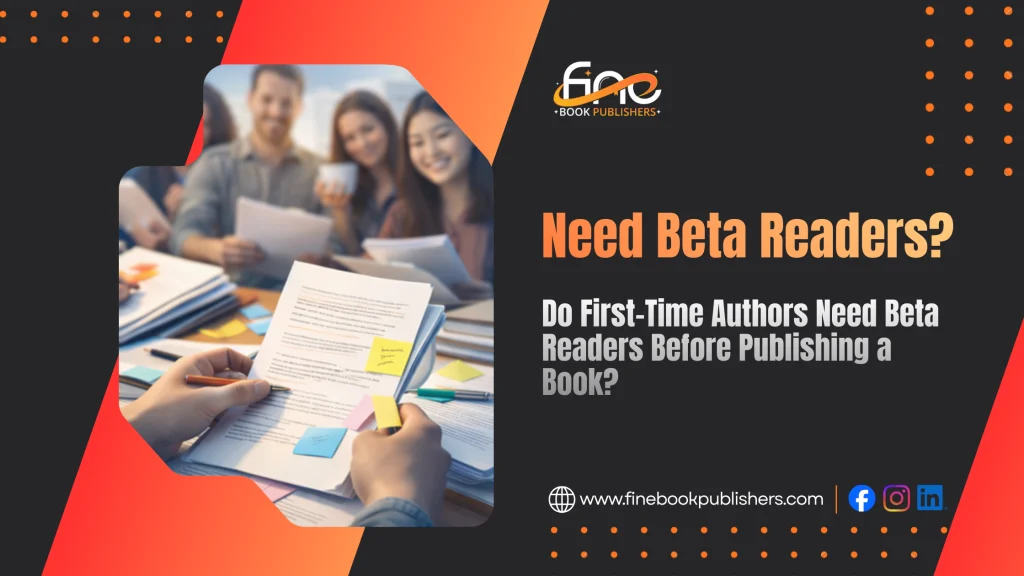
What Are Beta Readers and Why Do You Need Them?
Yes, first-time authors strongly benefit from beta readers before publishing because beta readers provide real-world manuscript feedback, highlight clarity issues, identify plot gaps, and improve overall reader experience before the book reaches the market. For new writers, beta readers serve as early test readers who simulate your target audience and help refine your book through structured beta reading insights. While not mandatory, using beta readers significantly reduces publishing risks and improves quality before final editing and launch.
What Are Beta Readers?
Beta readers are non-professional readers who review a manuscript before publication and provide honest feedback from a reader’s perspective. Unlike editors, beta readers do not focus primarily on grammar or technical corrections. Instead, beta reading focuses on:
- Story clarity
- Engagement level
- Character development
- Pacing
- Confusing sections
- Emotional impact
In traditional publishing, manuscripts often go through multiple review rounds before release. For self-published authors in the USA, beta readers help replicate that quality control step.
Why Are Beta Readers Important for First-Time Authors?
First-time authors often struggle to view their own work objectively. After spending months writing, it becomes difficult to spot:
- Inconsistent character behavior
- Plot holes
- Repetitive scenes
- Unclear arguments (for nonfiction)
- Slow pacing
This is where beta readers become essential. Structured beta reading offers early manuscript feedback before professional editing and publishing preparation.
Without beta readers, many authors publish with avoidable issues that later result in negative reviews or reader confusion.
Beta Readers vs. Professional Editors
It is important to understand that beta readers and editors serve different roles.
| Beta Readers | Professional Editors |
| Focus on reader experience | Focus on structure, grammar, and technical polish |
| Provide subjective manuscript feedback | Provide industry-standard corrections |
| Identify confusion or boredom points | Ensure publishing-ready quality |
Beta reading is typically done before or between editing rounds. Authors who skip beta readers often rely only on technical editing, which may not address reader engagement concerns.
When Should You Use Beta Readers?
Timing matters. Most publishing professionals recommend using beta readers:
- After completing self-editing
- Before final proofreading
- After major structural edits
Using beta readers too early can lead to feedback on issues you already planned to fix. Using beta readers too late reduces the benefit of meaningful revision.
For first-time authors, structured manuscript feedback during this middle stage improves publishing preparation.
How Many Beta Readers Do You Need?
There is no fixed number, but industry practice suggests 3–10 beta readers for balanced feedback. Too few readers may not reveal patterns; too many can create conflicting opinions.
Look for beta readers who:
- Match your target audience
- Read within your genre
- Are willing to give honest feedback
- Can meet deadlines
Reliable beta reading improves clarity and reader satisfaction before public release.
What Questions Should You Ask Beta Readers?
To get useful manuscript feedback, provide structured questions such as:
- Were there any confusing sections?
- Did the pacing feel slow anywhere?
- Were the characters believable?
- Did the ending feel satisfying?
- Would you recommend this book to others?
Clear guidance helps beta readers deliver actionable insights instead of vague comments.
Common Mistakes When Using Beta Readers
First-time authors sometimes misuse beta readers by:
- Choosing only friends who avoid criticism
- Ignoring repeated feedback patterns
- Becoming defensive instead of objective
- Skipping professional editing afterward
Beta readers are not replacements for editors. Instead, beta reading strengthens your manuscript before final publishing steps.
Are Beta Readers Mandatory?
No, beta readers are not legally required to publish a book. However, from a quality and reputation standpoint, they are highly recommended — especially for first-time self-publishing authors in the USA.
Publishing without beta reading increases the likelihood of:
- Reader complaints
- Poor early reviews
- Missed storytelling opportunities
- Weaker word-of-mouth growth
Strategic manuscript feedback improves long-term success potential.
How Beta Readers Improve Publishing Confidence
Beyond manuscript improvement, beta readers also boost author confidence. Knowing real readers have engaged with and validated your work makes publishing preparation less stressful.
For new authors navigating:
- ISBN registration
- Formatting decisions
- Distribution setup
- Marketing strategy
Confidence matters. Positive beta reading feedback reassures authors before investing in production and promotion.
How Fine Book Publishers Supports Authors
Fine Book Publishers understands that first-time authors need structured support beyond writing. We guide authors through:
- Organized manuscript feedback planning
- Trusted editing recommendations
- Clear publishing preparation steps
- Transparent service pathways
- Personalized publishing roadmaps
Whether you are considering beta readers or preparing for final production, we help simplify the process.
Conclusion
So, do first-time authors need beta readers before publishing? While not mandatory, beta readers provide invaluable manuscript feedback that strengthens clarity, engagement, and overall quality. Strategic beta reading reduces publishing risks and increases reader satisfaction — especially for new self-publishing authors in the USA.
If you want structured guidance on using beta readers and navigating your full publishing preparation journey.
👉 Fine Book Publishers – Free Book Consultation Today
FAQs
Q1. Are beta readers necessary for nonfiction books?
Yes. Even nonfiction benefits from manuscript feedback on clarity, organization, and engagement.
Q2. Should beta readers be paid?
Some beta readers volunteer; others charge small fees. It depends on experience and expectations.
Q3. Can friends serve as beta readers?
Yes, but ensure they are honest and part of your target audience.
Q4. Do traditional publishers use beta readers?
Traditional publishers use multiple editorial review rounds, which function similarly to beta reading quality control.
Q5. What comes after beta reading?
After reviewing manuscript feedback, authors typically revise and move into final editing and formatting.